
How to Prepare Young Athletes for a Safe Return to School Sports
As the school year begins, fields, courts, and pools fill with young athletes eager to return to
practice. For many, that excitement comes with a rapid increase in fitness training, which places new demands on growing bodies.
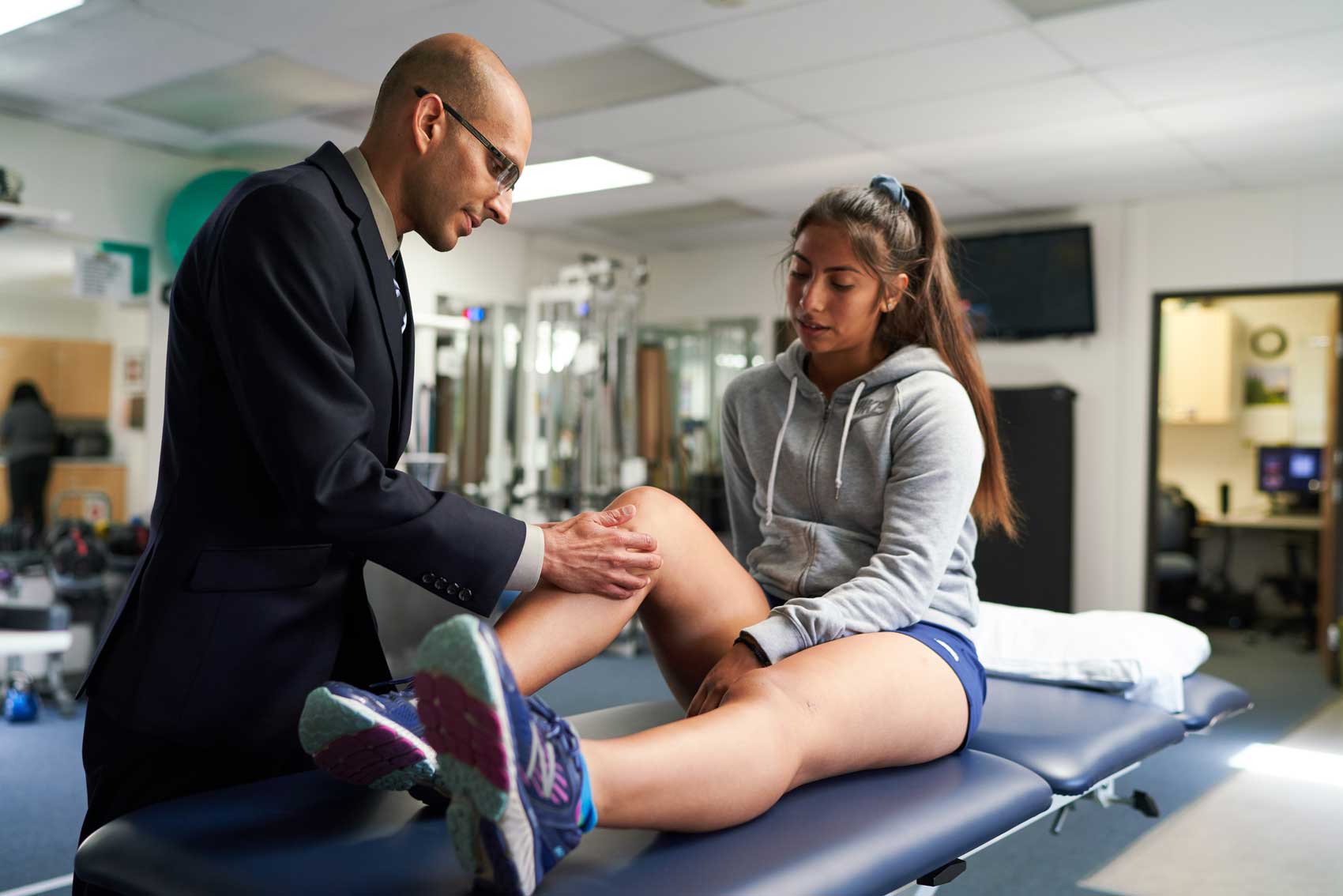
It’s a time is when many preventable injuries occur, according to Nirav Pandya, MD, pediatric orthopedic surgeon and chief of sports medicine at UCSF Benioff Children’s Hospitals.
“Kids often go from relatively unstructured activity to practices that are much more intense,” Pandya said. “If they haven’t prepared for that increase, they’re more likely to develop injuries. The encouraging part is that many of those injuries can be prevented.”
Pandya studies injury prevention and healthy athletic development. His research has helped inform national recommendations encouraging young athletes to participate in a variety of sports, as well as the relationship between youth sports participation and professional athlete injury risk in the NBA and NFL.
What injuries do you see most often when children return to sports?
Overuse injuries are by far the most common. Many kids stay active during the summer, but organized practices are usually more demanding. We frequently see knee pain, shin splints, foot pain, and other injuries when activity increases faster than the body can adapt.
What can young athletes do to reduce their risk of injury?
Staying active year-round helps. That doesn’t mean training at full intensity all the time, but maintaining a basic level of fitness makes the transition easier.
Athletes should pay attention to what their bodies tell them. If they’re unusually sore or fatigued, they should let a parent or coach know instead of pushing through pain. Consistent stretching, recovery, and gradually increasing activity also help prevent injuries.
What roles do sleep and nutrition play?
They’re all essential, especially once school starts. Many children become busier while sleeping less, and that combination can affect both performance and recovery.
Young athletes should aim for at least eight hours of sleep, stay hydrated and eat balanced meals. Rest is part of training. Building lighter days into a practice schedule gives the body time to recover.
One guideline is that children generally shouldn’t participate in more hours of organized sports each week than their age in years. For example, a 9-year-old should spend no more than about nine hours each week in organized sports. Going well beyond that may increase the risk of overuse injuries.
What common nutrition mistakes do you see?
Skipping breakfast is one of the biggest. Many teenagers head to school without eating enough to fuel a full day of classes and practice.
Hydration should happen throughout the day, not just after practice. A snack with carbohydrates and protein about 45 minutes before activity provides energy, while a protein-rich snack afterward supports muscle recovery.
For most young athletes, balanced meals provide the nutrients they need without supplements.
Is it better to play many different sports or focus on one?
Research suggests children who participate in multiple sports may be less likely to develop some overuse injuries associated with early specialization. Every athlete may not be able to play multiple sports, but they should engage in a diverse range of physical activities.
But if a young athlete wants to try a new sport, gradually building strength and conditioning before the season begins is one of the best ways to reduce injury risk.
How can parents tell if their child is ready for the season?
One practical benchmark is whether a child can comfortably exercise for 45 to 60 minutes several times a week without significant pain or fatigue.
Parents should also talk with coaches before practices begin. Understanding expectations and keeping communication open among athletes, parents, and coaches can help identify problems early and create a safer experience.
Do the rules for young athletes mirror those of adults?
Children and adolescents aren’t simply smaller adults. Their bones and muscles are still developing, so injuries often affect them differently than adults. As pediatric sports medicine specialists, we’re trained to recognize those differences and recommend treatments that support healthy growth while helping young athletes return to play safely.
Caring for young athletes also means understanding their unique developmental needs. The goal isn’t just to help them recover from an injury — it’s to safely return them to the activities they enjoy while protecting their long-term health.