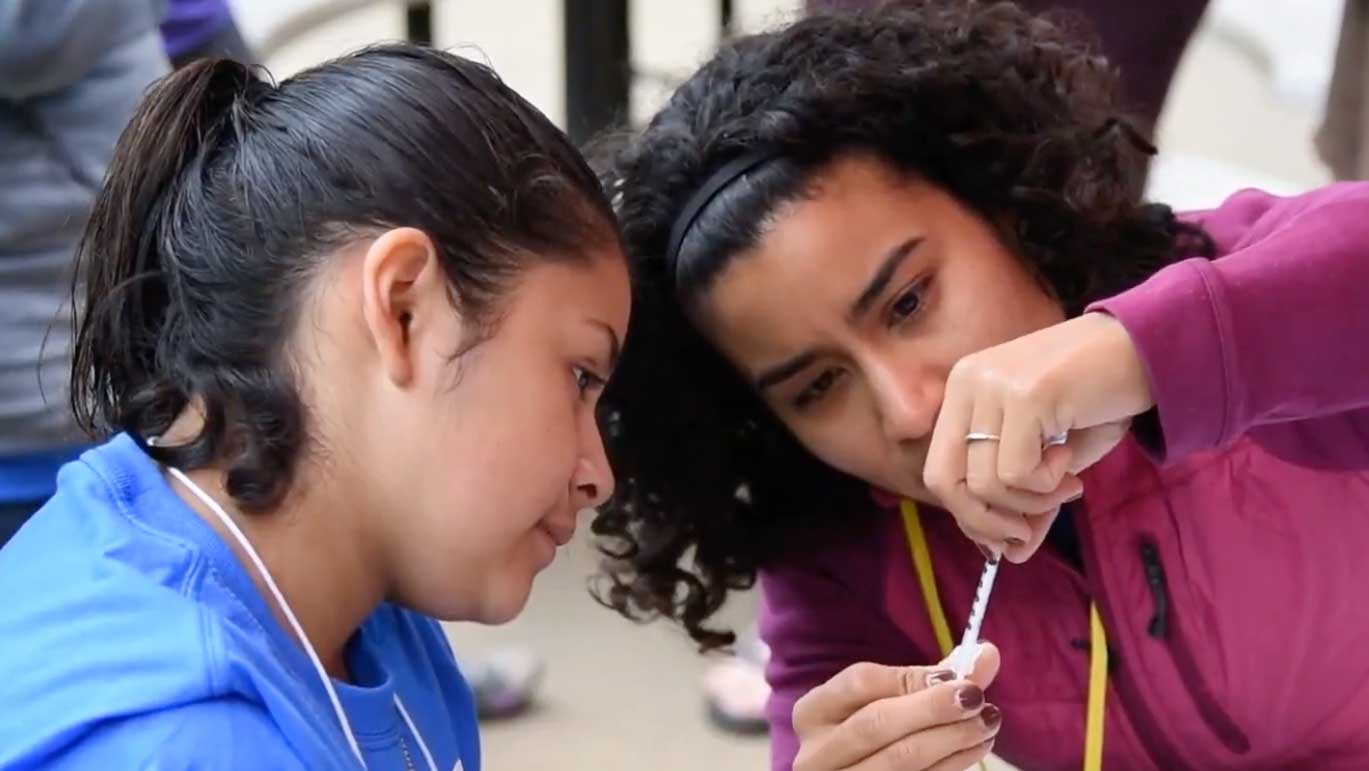
Ten years ago, a small group of UC San Francisco clinicians and community partners set out to address a gap in care they were seeing every day in the clinic: Spanish-speaking families navigating type 1 diabetes (T1D) without the language, cultural context, and support systems they needed.
Today, Campamento Familiar en Español (CaFE) celebrates a decade of impact as a one-of-a-kind program transforming diabetes care across California. Founded by UCSF and Diabetes Youth Families (DYF) — a nonprofit organization dedicated to improving quality of life for kids, teens, and families affected by diabetes — CaFE provides education and support tailored to the families it serves.
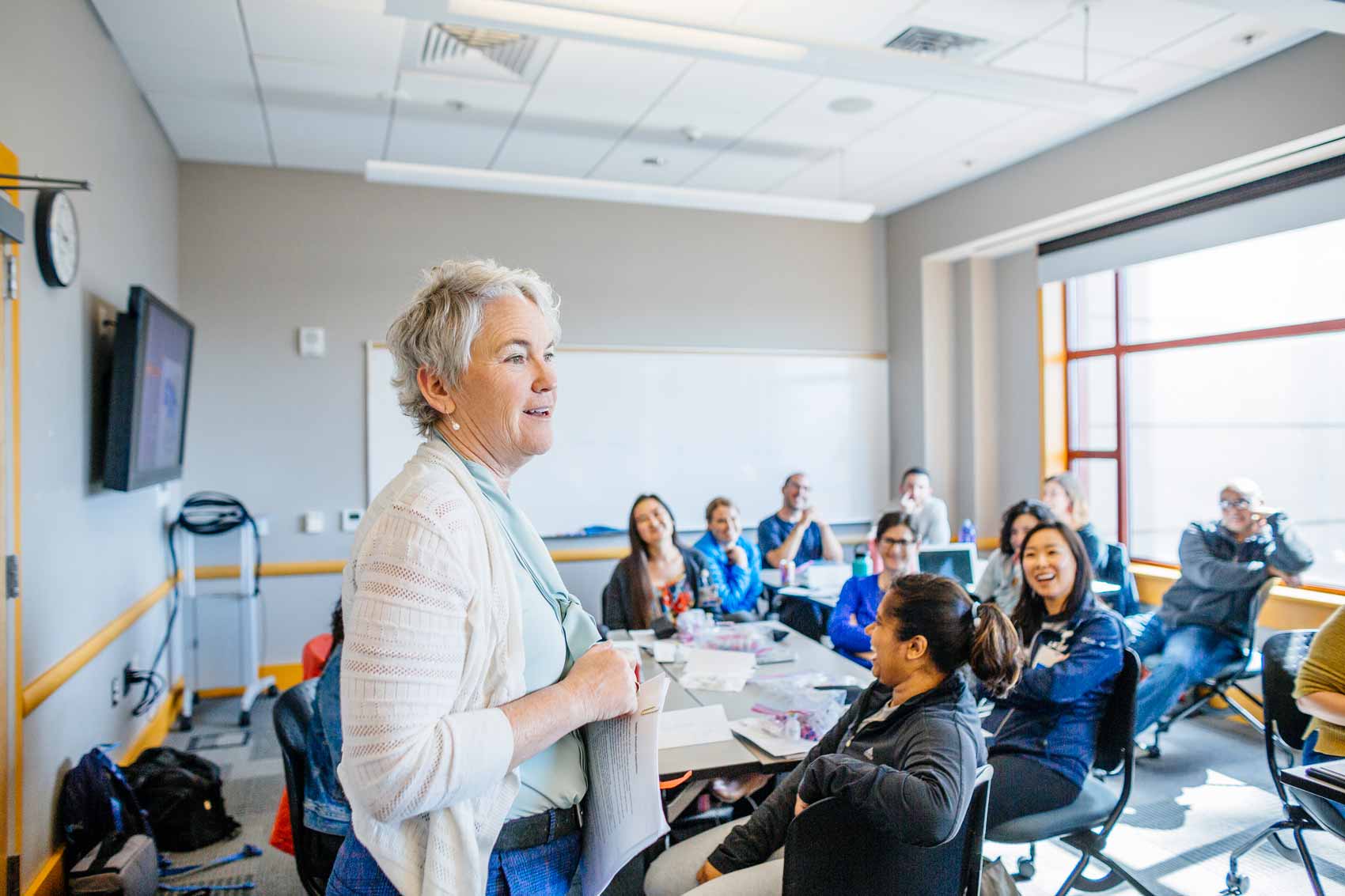
“In 2015, we had funds specifically for medically, economically, or educationally disadvantaged populations and decided to restart a camp for Spanish speakers,” says Maureen McGrath, MS, BC-PNP, BC-ADM, professor emeritus in the Department of Family Health Care Nursing. “Marcela [Arregui Reyes, MS, PMP, DYF’s director of strategic partnerships and programs] had this idea, and I spearheaded the medical side.”
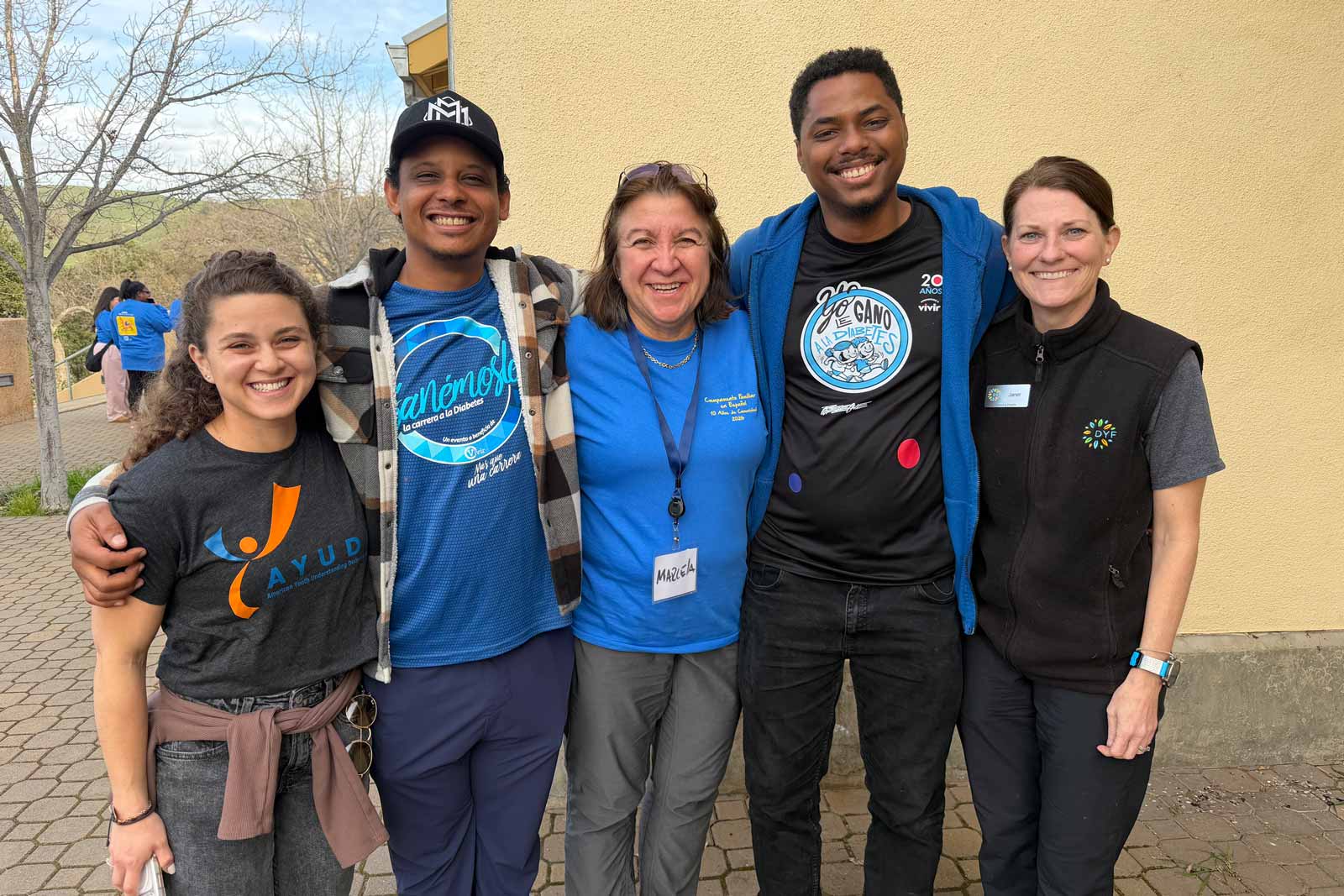
“At the time, I was working in the clinic and realized the playing field wasn’t level for everybody,” Arregui Reyes says. “There was an urgent need to provide care to families in their native language with a cultural perspective and understanding.”
A growing need, and financial aid
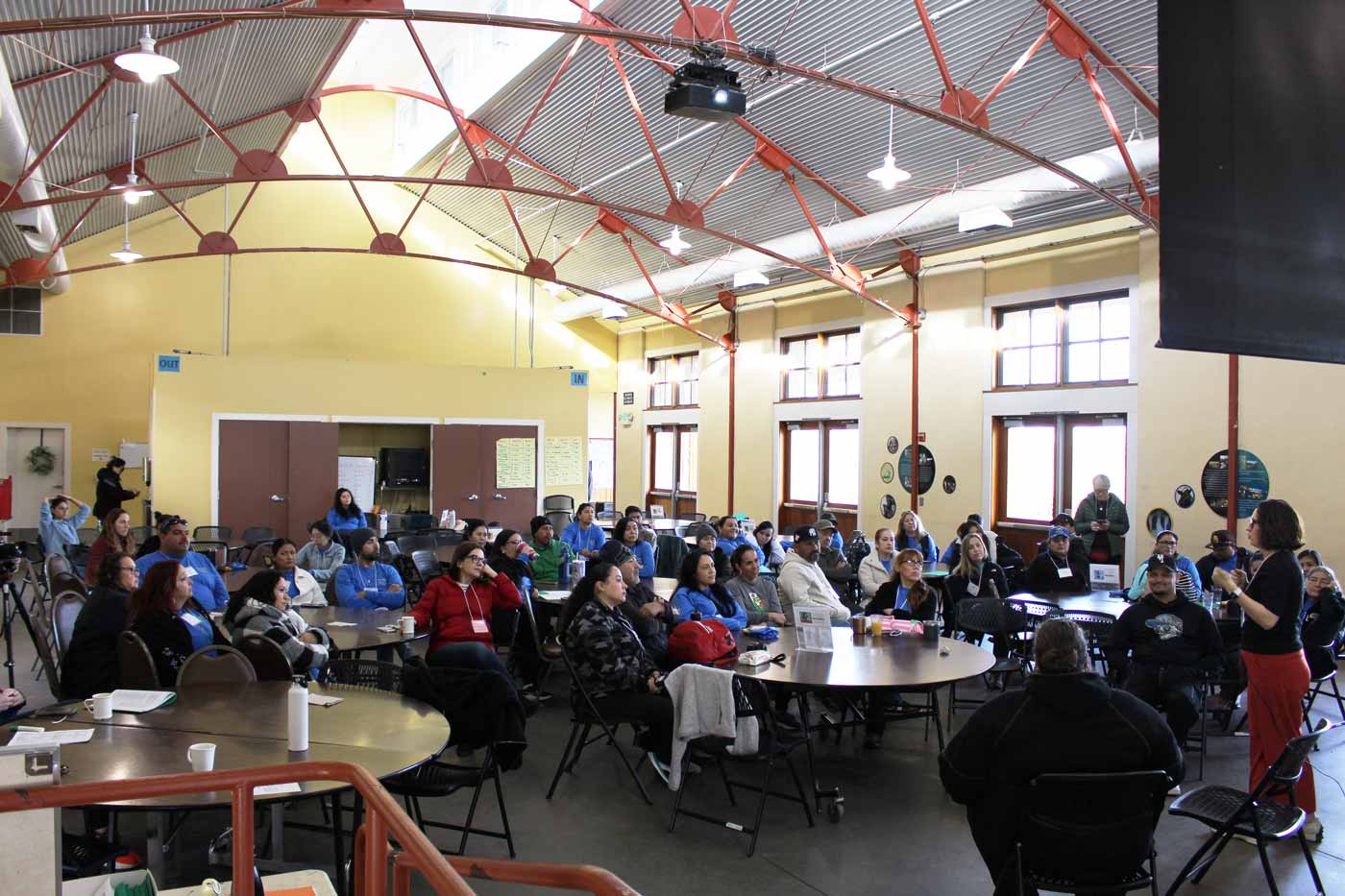
CaFE’s weekend program combines recreation with bilingual medical education, psychosocial support, and community building grounded in shared traditions. The camp has reached full enrollment nearly every year, including last year when 119 participants representing 24 families attended.
“It’s not just a program where things are translated into Spanish,” says Celina Trujillo, MPH, RN, PHN, CPNP, who co-leads the camp’s medical programming. “It really takes into account the family’s background.”
Building on the success of the weekend program, CaFE is introducing a new five-day residential camp designed to serve up to 30 families, including financial support for 10 Oakland families facing language, financial, and transportation barriers.
The need is especially urgent in California’s Latinx community, where the prevalence of T1D is rising, especially among children. Through the program, parents, siblings, and extended relatives learn together, reflecting the realities of diabetes management as well as the importance of shared responsibility.
“Like a family reunion”
Participants often arrive overwhelmed, especially after a new diagnosis, but leave encouraged.
“Campamento is a place of respite,” Trujillo says. “Families come in holding a lot of emotions and leave more relaxed and with more confidence. If I had to summarize it in one word, I would say they leave with hope.”
McGrath sees the most profound transformation in the children.
“When these kids walk into Campamento, they’re like ‘Wow, you mean there are other kids like me that have diabetes?’ That shift in their minds is wonderful to see, and it’s an added plus of doing this year after year,” she says.
That sense of belonging replaces isolation and often lasts far beyond the weekend. In fact, some campers who attended Campamento now run the show as counselors or volunteer nurses, McGrath adds.
“Even after a year has passed, kids and young adults still keep in touch because that’s part of Latino culture; it’s very close,” Arregui Reyes says. “It feels like a family reunion where you’re part of something bigger.”
Research shaped by participant feedback
From its earliest days, CaFE has been powered by donor support, allowing attendees to enroll for a nominal fee. And, new support from the Children’s Hospital Branches, an auxiliary group that has been supporting UCSF Benioff Children’s Hospital Oakland for more than 100 years, is helping expand access further, making the full residential experience possible for more children and their caregivers.
To strengthen CaFE’s impact, Trujillo and colleagues at UCSF are evaluating the program through focus groups with campers, parents, caregivers, and volunteers, using a research approach shaped by participant feedback.
“I wanted to start with qualitative interviews because it’s important to include families in the research process,” Trujillo says. “I would also love support for a project to engage adolescents in planning Campamento.”
The team is also working to institutionalize CaFE as a model that can be shared more broadly.
“We’re here for the long-term,” Arregui Reyes says. “We’re committed to finding a cure, but in the meantime, we’re working to prevent diabetes and keep kids out of the hospitals. With continued support, we can expand our impact to the next generation and beyond.”