University of California San Francisco
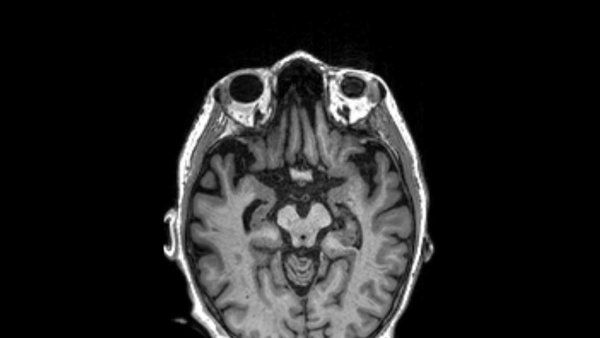
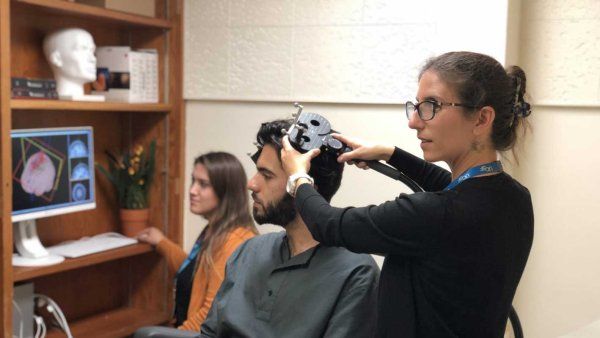
Give to UCSFTranscranial magnetic stimulation (TMS) is a noninvasive in-office procedure. Brief magnetic pulses to the brain induces electrical currents that stimulate nerve cells in specific areas of the brain, providing symptom relief for patients with depression and OCD.
Faculty members Chase Anderson, MD, and Brittany Bryant, LCSW, help us understand what microaggressions are, what they look like, and what they mean for your mental health – and practical skills to deal with them, whether they’re directed at you or not.
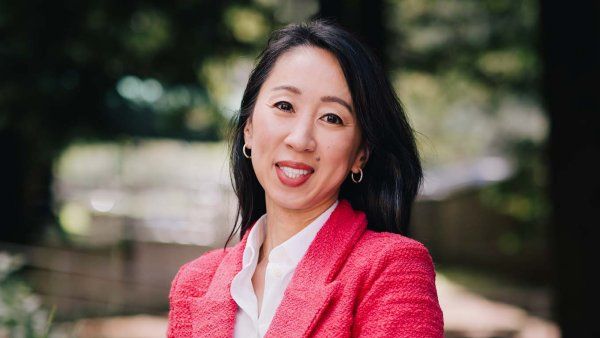
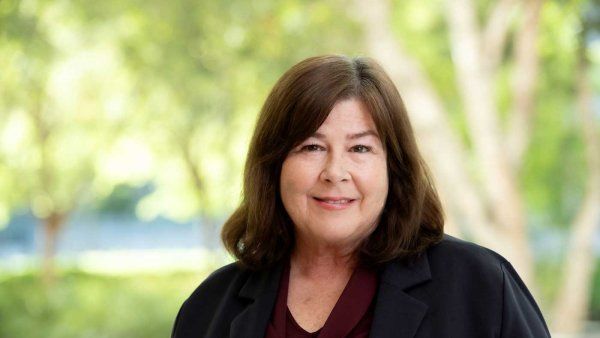
Carol Dawson-Rose, PhD, RN, FAAN, is named the new dean of the UCSF School of Nursing and associate vice chancellor for Nursing Affairs.
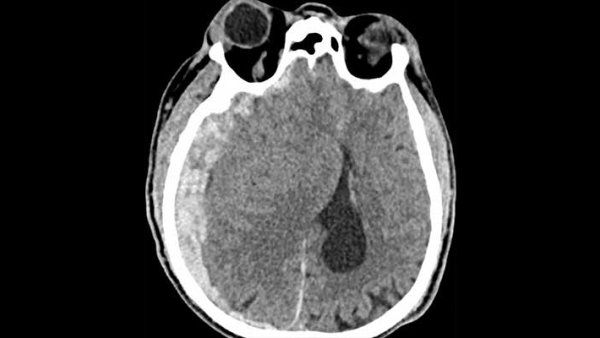
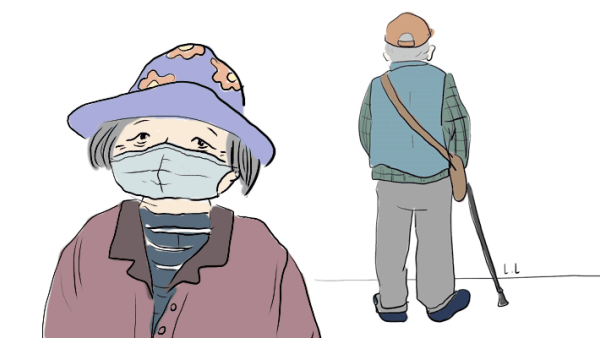
People with dementia and those who care for them should be screened for loneliness, so providers can find ways to keep them socially connected.
With Spring Forward setting our clocks one hour ahead, “Sleepy Monday” can have a temporary effect on our sleeping patterns. Aric Prather explains how.
People with depression have higher body temperatures, suggesting there could be a mental health benefit to lowering the temperatures of those with depression.
Amber Bell, MS ’19, CNM, is helping UCSF “do the hard work of re-diversifying the midwifery profession.”
Could AI make nurses’ jobs – and our health care – better? Kay Burke, MBA, RN, who helps UCSF Health improve its digital tools, weighs in.
Elissa Epel shares tips on how we can make taking control of our stress — and cultivating joy — a habit this holiday season.
A national challenge encourages doctors to help eliminate the pain, trauma and anxiety of needle jabs for young children.
New research shows that in the U.S., the longevity gap between women and men has been widening for more than a decade, with women outliving men by an average of six years.
Being suspended from school or sent to the office is tied to a big drop in grade point average (GPA), especially for Black and Latinx children.
UCSF experts to discuss amyloid therapies and dementia research at CTAD conference, addressing equity, novel treatments, and innovative studies.
Zuranolone (Zurzuvae), the first pill for patients suffering from postpartum depression, is expected to be available by the end of 2023. Though it may relieve depressive symptoms, it has some drawbacks such as sedation and dangers in breastfeeding.
A clinical trial showed that MDMA, the so-called psychedelic drug also known as "ecstasy" or "molly," can be a powerful new tool in treating people with moderate-to-severe PTSD.
Using both cannabis and tobacco increases depression and anxiety risk, highlighting the need for integrated support, says UC San Francisco study.
A new intervention may help “night owl” kids adjust to their natural sleep-cycle rhythms, fulfill their school responsibilities and avoid depression.
An Oregon prison is testing a Norwegian-inspired approach to prison reform that’s designed to bring greater humanity to corrections and improve conditions for staff and prison residents. This includes reducing the use of solitary confinement.
Manvir, a young cancer patient, worked with the UCSF Benioff Oakland Braddock Emotional Support Team (BEST) to alleviate his emotional and physical pain from his treatments. A new gift will help expand BEST behavioral and mental health services to young cancer patients and their families.
UCSF Langley Porter Psychiatric Hospital will welcome patients to a larger and modernized space on August 19 in UCSF Mount Zion Medical Center.
Three cheers! The American Heart Association has recognized UCSF’s Wellness Team and a number of other organizations across the U.S. “for their commitment to building a culture of health and well-being.” We’ll learn more about the honor and how the Wellness Team makes UCSF’s wellness their mission.