Could Quitting Ultra-Processed Food Boost Your Mental Health?
A UCSF study that found people with serious depression had significantly improved symptoms when they switched to a diet consisting of less utlra-processed food.

University of California San Francisco
Give to UCSF
A UCSF study that found people with serious depression had significantly improved symptoms when they switched to a diet consisting of less utlra-processed food.
UCSF researchers are weighing in on one of the biggest challenges in psychedelic science, arguing that clinical trials need more convincing control treatments to better measure the drugs' true effects.

How does your brain decide whether to hit “send” on a risky email or delete the draft? Two neighboring parts of it argue with each other until one overrules the other. Researchers created a video game to see what players’ brains were doing while making risk-reward decisions.
A UCSF psychiatrist explains what’s really going on with chatbots and mental health.

“The cognition crisis is not just a clinical problem. It’s a problem for our species.” UCSF scientists on what screens are doing to our minds — and how to get your focus back.

A UCSF-developed program that integrates behavioral health support for children and caregivers into routine pediatric care is poised to extend across California with a $17 million investment from the

Jason Nagata, MD, MSc, discusses the health dangers of excessive social media use on the health of children, in response to an August 2026 announcement of a $17.1 billion settlement regarding children and teen addiction to their platform.

UCSF is launching a national Center of Excellence for Eating Disorders that provides training and resources to providers, supported by a five-year grant from SAMHSA.

UCSF Medical Center ties as No. 1 hospital in California and ranks best in the state for cancer, geriatrics, neurology and neurosurgery, pulmonology, rheumatology, and urology, according to U.S. News & World Report.
Alcohol use disorder is a major cause of disease and premature death worldwide. For people with chronic liver disease (CLD), there is no safe level of alcohol consumption. Yet many patients with this
UCSF expert Kristine Yaffe, MD, explores how targeting modifiable risk factors—like sleep and exercise—can actively protect your aging brain.

A new UCSF study looks at the real reasons women with HIV are dying earlier than people without HIV, and finds these leading causes are largely missing from official death records.
Attendees at a community breakfast for Oakland faith leaders hosted by Nicholas Holmes and Oakland Mayor Lee discussed youth violence prevention initiatives and other community topics.

A large team of scientists, found that a single dose of psilocybin created positive changes in the brain and well-being, one hour and one month after administration.
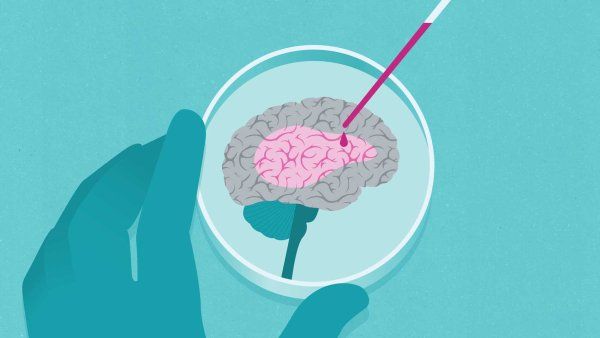
UCSF's Cherry Leung, associate professor of community health systems with the UC San Francisco School of Nursing, researches the gut-brain axis as a potential adjunct therapy for improving adolescent mental health.
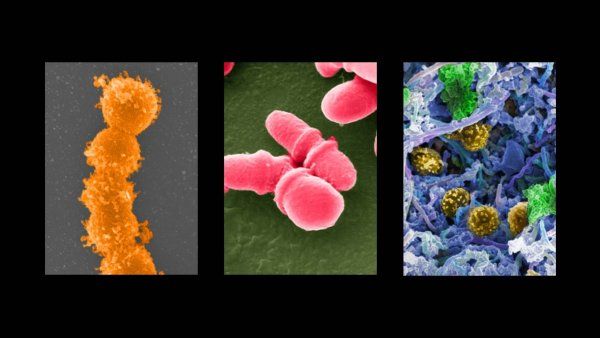
UCSF research shows psychedelics like psilocybin may treat depression, Parkinson’s, and addiction, offering new hope in clinical trials.
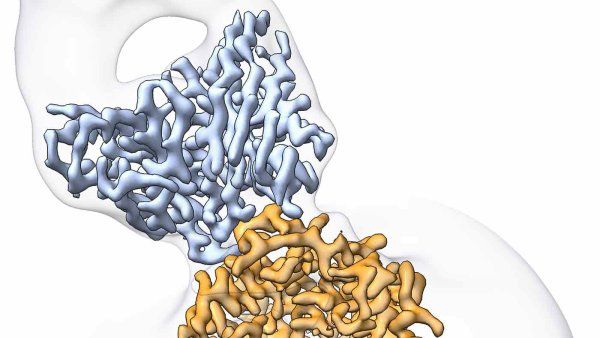
New research pits psychedelic-assisted therapy against traditional antidepressants in an unblinded study that presents a sobering viewpoint on the treatment's potential.

UCSF researcher Daniel Mathalon, MD, PhD, believes that burgeoning knowledge about biomarkers — biological measures of a medical condition that also serve as markers of treatment effectiveness — could help intercept schizophrenia.
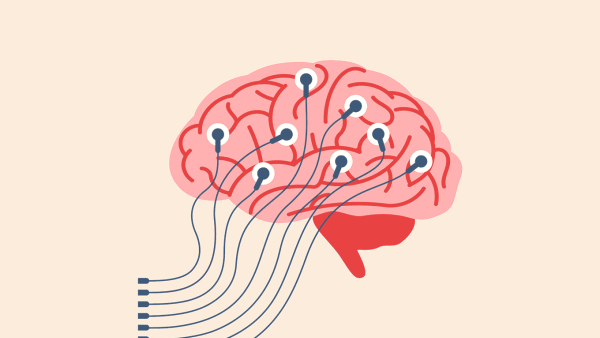
New UCSF research reveals that Child-Parent Psychotherapy repairs a biological process that could benefit kids for life.

UCSF psychiatrists may have documented what is likely the first case of AI psychosis in a peer-reviewed journal. He tells us what to know as media reports about cases mount.

UCSF researchers found evidence that stress occurring as early as before birth or as late as adolescence can affect multiple conditions in kids, from asthma to mental health to cognitive functioning.

New research shows a jump in pediatric medical spending on behavioral health from 2011 to 2022, highlighting the urgent need to boost access and capacity for treatment.
