Study Links Air Pollution to Nearly 6 Million Preterm Births Around the World
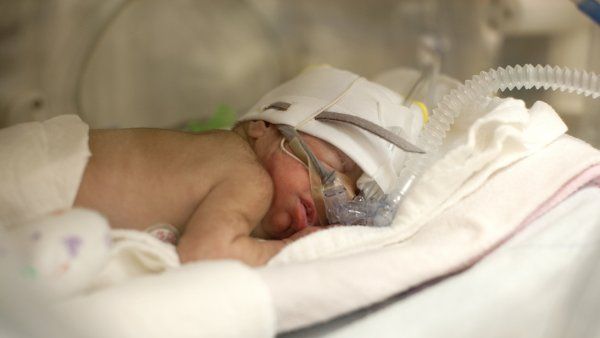
A new analysis looks at how air pollution affects preterm births and other important indicators for newborn babies around the world.
University of California San Francisco
Give to UCSF
A new analysis looks at how air pollution affects preterm births and other important indicators for newborn babies around the world.
Research has shown that poor heart health can increase the risk for dementia, but a new study shows that poor mental health in early adulthood may increase odds by 73%.

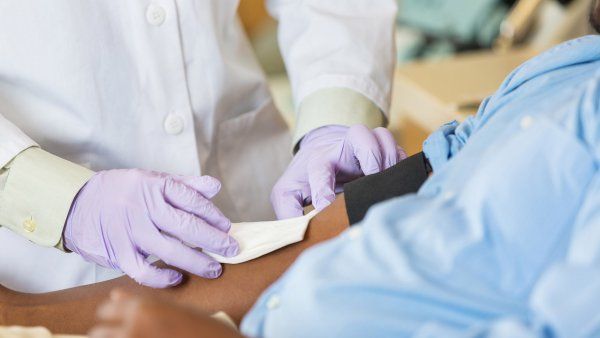
Researchers have identified an approach to remove race from equations used to estimate a person’s kidney function.
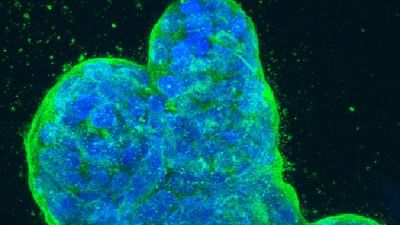
Researchers at UCSF have gained insight into how cancer cells proliferate despite a myriad of stresses.
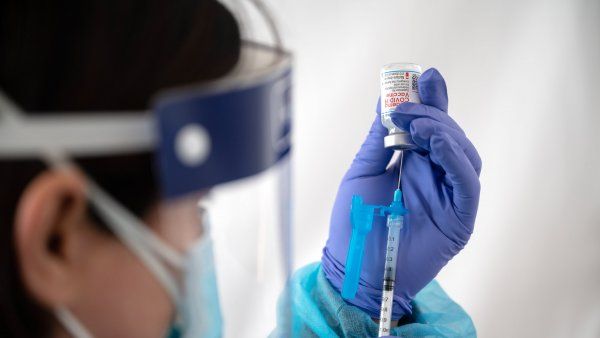
A community-based effort to overcome vaccine hesitancy designed by UCSF scientists working together with San Francisco’s Latino Task Force is succeeding in the Mission District of San Francisco.
An increasing percentage of emergency visits and hospitalizations in the United States before the pandemic involved patients with alcohol and other substance use disorders, according to a study by UCSF researchers.

The Kidney Project’s implantable bioartificial kidney, one that promises to free kidney disease patients from dialysis machines and transplant waiting lists, took another big step toward becoming reality, earning a $650,000 prize from KidneyX for its first-ever demonstration of a functional prototype of its implantable artificial kidney.

An initiative that paired paid visitors with racially diverse older adults, many of whom lived alone and struggled with taking care of their basic needs, resulted in reduced loneliness and plunging rates of depression.

California will face a significant shortfall of registered nurses over the next five years due to long-term trends that have been exacerbated by the COVID-19 pandemic

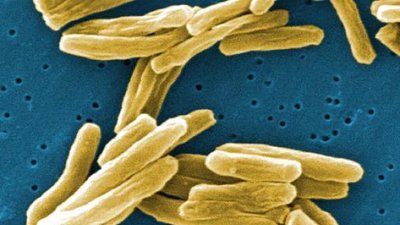
A clinical trial of new treatment regimens, led in part by researchers at UCSF, recently demonstrated that a more potent combination of antibiotics could shorten the duration of treatment for TB.
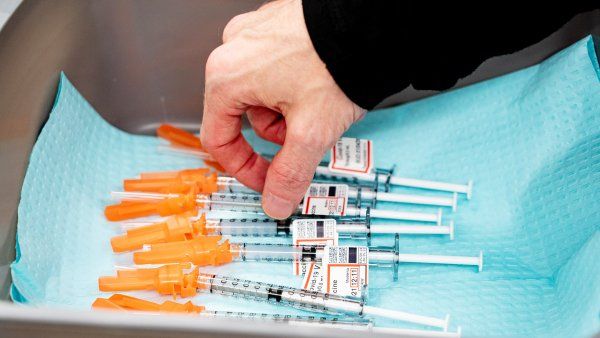
Most patients on immunosuppressive drugs for chronic inflammatory conditions, like rheumatoid arthritis, multiple sclerosis and inflammatory bowel disease, can still produce antibodies after receiving the mRNA COVID-19 vaccines, researchers at UCSF and Washington University have concluded.
A single glass of wine can quickly raise the drinker’s risk for atrial fibrillation, according to new research by UCSF.

A study in patients with epilepsy is helping researchers understand how the brain manages the task of learning a new language while retaining our mother tongue.

In a new study, an artificial intelligence algorithm exceeded the performance of a widely available commercial system in nearly all examined diagnoses.

A team of researchers at UCSF have recently sequenced the condor genome, shining light on the species’ history and opening the door to a better understanding of genomics in small populations, for the benefit of both condors and humans.

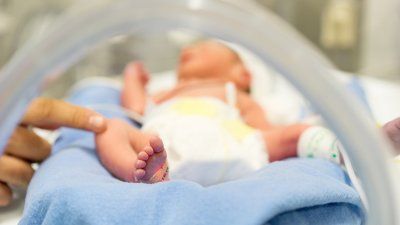
Individuals who contract COVID-19 while pregnant face a higher risk of having a very preterm birth, as well as any preterm birth.
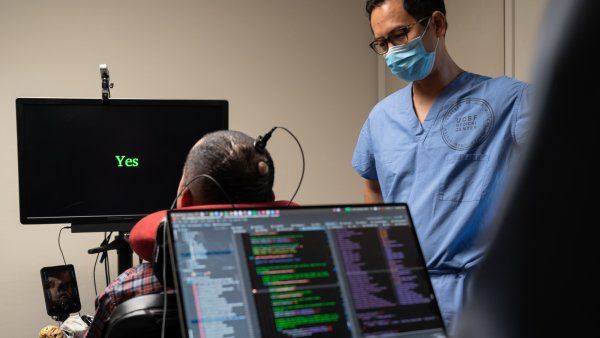
Following groundbreaking work on a “speech neuroprosthesis” that enabled a paralyzed man to communicate using his brain signals, the lab team answered public questions about brain-computer interfaces and the limitations of translating brain signals into code.
We spoke to UCSF virologist Nadia Roan, PhD, about the latest developments in our knowledge of the Delta variant, including how the new variant spreads so efficiently, whether it causes more serious illness, and why she thinks vaccines will hold the line.

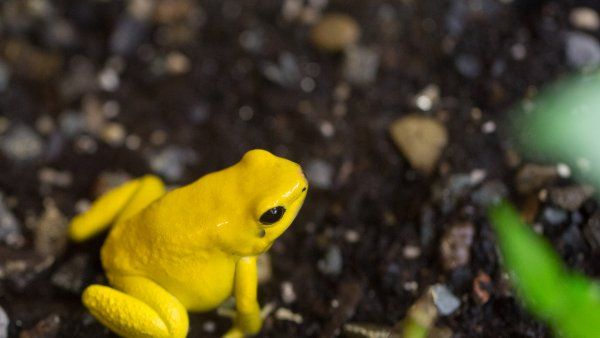
A team of researchers at have uncovered some intriguing clues in the mystery of how some poison birds and frogs evade their own toxins.
UCSF researchers have leveraged two new molecules, one of which is currently in clinical oncology trials, to devise a dual-drug therapy for alcohol use disorder (AUD), without the side effects or complications associated with current treatment regimens.

UCSF and The Atlantic have announced that the crowdsourced digital archive documenting the face of the pandemic in the United States will become part of the University’s permanent library collection and is accessible to researchers and the public.
UCSF researchers in collaboration with the Centers for Disease Control’s Tuberculosis Trials Consortium and the AIDS Clinical Trials Group published a landmark study that demonstrated a new four-month treatment regimen for tuberculosis was safe and as efficacious as the standard six-month therapy.
The proportion of seniors who had prescriptions for opioids and anti-anxiety medications and sedatives correlated with their degree of loneliness, according to the study.

In the largest study of its kind, an investigation by UCSF researchers has found no evidence that moderate coffee consumption can cause cardiac arrhythmia.

Working in mice, UCSF researchers have found that a recently discovered subset of cells in the immune system may prevent the mother’s immune system from attacking the placenta and fetus.
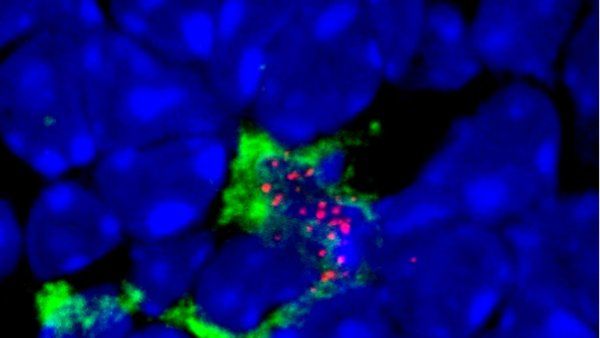
Messenger RNA vaccines against COVID-19 were not detected in human milk, according to a small study by UCSF, providing early evidence that the vaccine mRNA is not transferred to the infant.
A UCSF study has found that the antibiotic azithromycin was no more effective than a placebo in preventing symptoms of COVID-19 among non-hospitalized patients, and may increase their chance of hospitalization, despite widespread prescription of the antibiotic for the disease.