It’s Not Naïve, Treating Youth Violence as a Disease Gets Results
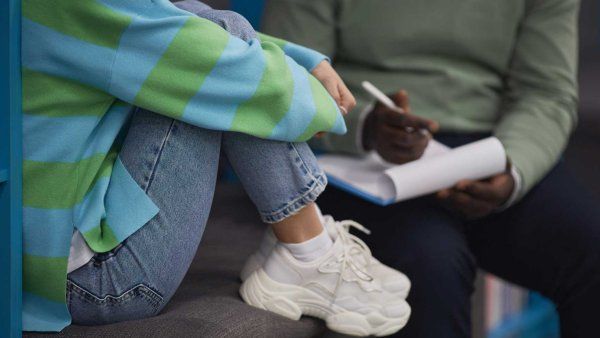
The Wraparound Project works to reduce youth violence in San Francisco schools. It provides mentorship and links clients to essential risk-reduction resources.
University of California San Francisco
Give to UCSFThe Wraparound Project works to reduce youth violence in San Francisco schools. It provides mentorship and links clients to essential risk-reduction resources.
Hospitalized patients with complex dietary restrictions often develop hyperglycemia, or high blood sugar. This occurs in roughly one-quarter to one-half of these patients, leading to serious
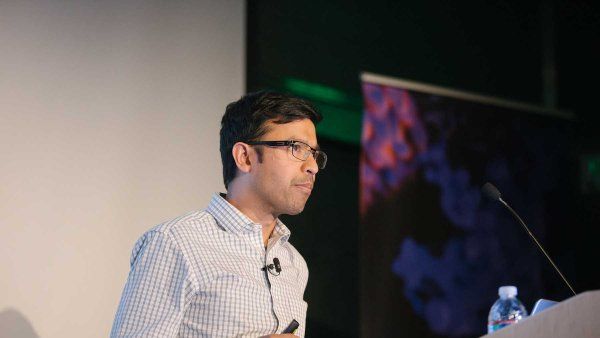
Three UC San Francisco scientists have received 2024 Pew awards to fund their research in neuroscience and cancer: cognitive scientist Vijay Mohan K Namboodiri, PhD; bioengineer Justin Eyquem, PhD; and postodctoral student Jovanka Gencel-Augusto, PhD.
UCSF is a leader in research for women’s health and reproductive rights. Explore the latest news and research over access to abortion medication and care in light of the 2022 overturning of Roe v. Wade.
UCSF scientists made international headlines when they developed a brain-computer interface that allowed a stroke survivor to speak for the first time in 18 years. Find this award-winning video, which has been viewed by millions, on UCSF’s YouTube channel.
In labs and clinics across UCSF, scientists are unraveling how to keep one of our hardest-working organs beating away.
Deep rest is best achieved in prolonged practices that relax the body and quiet the mind. But you can also combat stress within seconds by activating your parasympathetic nervous system. Here are a few approaches to making this biological shift quickly.
Perpetual stress runs us down. But a truly restorative state that alters our bodies at the cellular level can counter this deterioration.
Our genome may one day serve as a passport guiding our health care – from cradle to grave.
A generation ago, a diagnosis of multiple sclerosis was a guarantee of a debilitating disease that would leave the patient wheelchair bound, and worse. Follow UCSF’s role in what some call the golden age of MS research and care.
Adverse symptoms from the COVID-19 vaccine such as chills and headaches are linked to a robust antibody response, indicating increased efficacy compared with recipients who did not experience side effects.
Diabetes distress, the fears, worries and burdens associated with living with and managing diabetes, affects up to 75% of adults with Type 1 diabetes. The most effective way to reduce diabetes and improve glucose control is to focus on managing the emotional strain of living with the condition.
Recent research on screen use in children and teenagers examined the effects of screen time on sleep, nutrition, body mass index (BMI) and step count.
Multiciliated cells, cells with hundreds of hair-like structures that move called cilia, keep things like mucus in the lungs and cerebrospinal fluid in the brain flowing in the right direction.
A high sodium diet may increase the risk of eczema. Eating just one extra gram of sodium per day – the amount in a Big Mac – increases the likelihood of flares by 22%.
For tweens, restricting screens in bedrooms and at mealtimes and modeling healthy practices at home are parenting practices that work best to curb screen time and addictive screen behavior:
Teens who come from close-knit neighborhoods and families are less likely to engage in risky behavior at a young age.
Traumatic brain injuries for people over age 65 can raise their risk for dementia, Parkinson's, cardiovascular and psych disease. Contrary to earlier research, the study found that healthy, wealthy white women are at higher risk.
A clinical trial supported by the NIH has found that intravenous acetaminophen reduced sepsis patients’ risk of having organ injury or developing acute respiratory distress syndrome (ARDS), a serious condition that allows fluid to leak into the lungs.
Liver samples that spent two months in the International Space Station will be studied to observe how microgravity ages liver cells and impacts their ability to regenerate. Understanding how aging damages the liver – and ways to potentially reverse that damage – could pave the way for better prevention and treatment of liver disease.
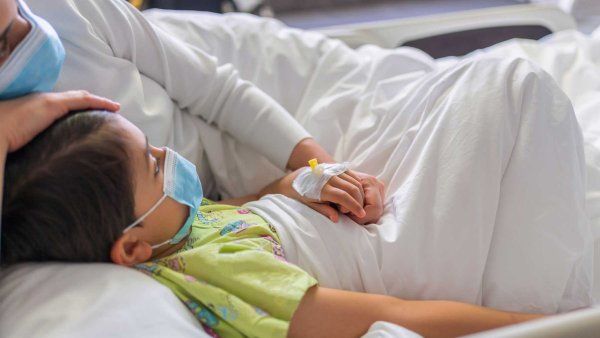
Researchers have found links between lung microbial communities and mortality risk in pediatric bone marrow transplant patients. Metagenomic sequencing revealed distinct patient clusters and unexpected pathogens, highlighting the need for precise diagnostics and therapeutics. Antibiotic treatment was associated with bacterial depletion and enriched viral and fungal populations.
Energy expended for hospital and clinic electricity, climate control and ventilation is by far the biggest source of greenhouse gas emissions in radiotherapy, a treatment used in more than half of cancer cases.
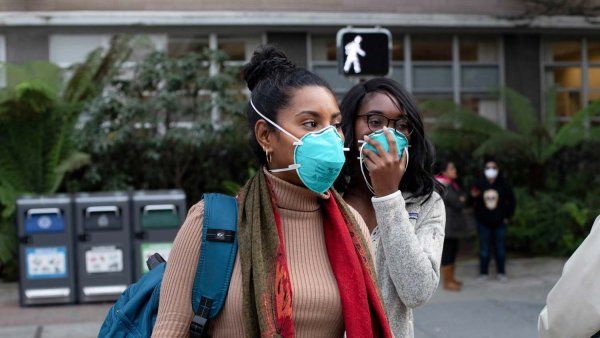
Anti-Asian hate may be fueling isolation and poorer health among elderly San Francisco residents.
UCSF researchers discovered the first known neurons in the retina that connect to blood vessels. Understanding these neurons can help treat and prevent vascular-related vision loss.