Culturing For Cures
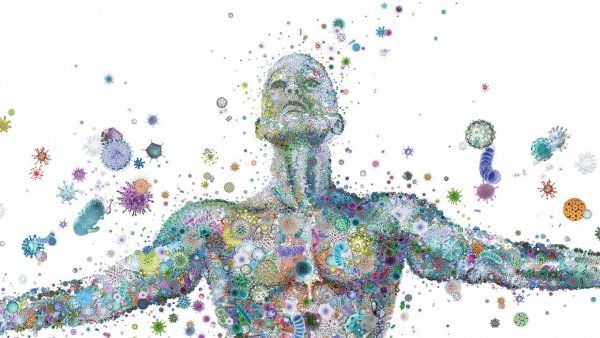
There are 100 trillion bacterial cells living in and on our bodies. In the spring issue of UCSF Magazine, find out how these bacteria could be the key to treating and preventing a number of conditions from asthma to obesity.
University of California San Francisco
Give to UCSFThere are 100 trillion bacterial cells living in and on our bodies. In the spring issue of UCSF Magazine, find out how these bacteria could be the key to treating and preventing a number of conditions from asthma to obesity.
Top thinkers gather at UCSF to help make the new field a reality.
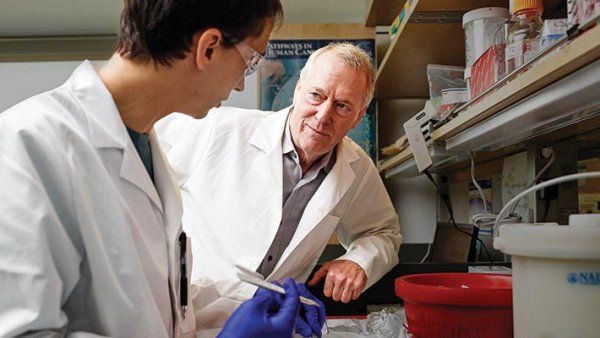
Precision Medicine Pillar No. 5: Omics Medicine. Molecular biologist Nevan Krogan's work is not only illuminating how genes and proteins function, it's also shedding light on the underlying biology of disease for each person.
Precision Medicine Pillar No. 6: Digital Health. The Center for Digital Health Innovation shepherds the development of digital health innovations created at UCSF and validates the effectiveness of devices from both inside and outside the institution.
Precision Medicine Pillar No. 3: Clinical Discovery. Researchers are taking vast amounts of patient data, often collected through first-ever clinical studies, and putting it into tools like MS Bioscreen that have a direct impact on patient care.
Precision Medicine Pillar No. 4: Computational Health Sciences. Computationally intensive approaches are used to analyze and cross-analyze large but discrete collections of data, such as patient health histories and genetic makeup.
Precision Medicine Pillar No. 2: Basic Discovery. The long path to developing potent new treatments often starts with an observation in the lab that then leads to a question about a fundamental life process.
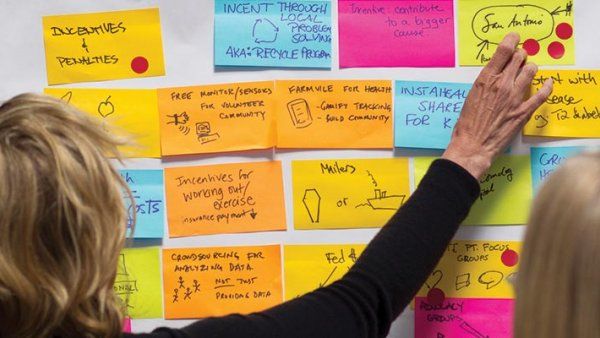
Precision Medicine Pillar No. 1: Knowledge Network. With an increased ability to harvest information automatically and more powerfully, scientists can find the connections among discoveries that would otherwise go unrecognized.
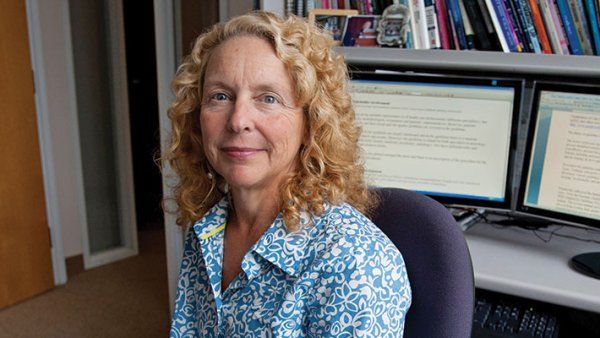
Pharmacologist Lisa Bero, PhD, answers our questions about industry bias in clincial trials.
Shinya Yamanaka's Nobel Prize for stem cell research brought fresh attention to something UCSF long ago sensed and seized: the promise of regeneration medicine for repairing or replacing damaged cells, tissues, and even whole organs.
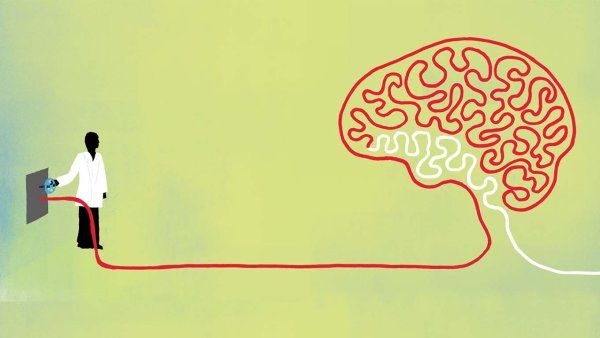
William Seeley maps the path of frontotemporal dementia through the brain, correlating specific damage with behavioral change. By studying the disease from self to circuits to cells, this visionary neurologist searches for inroads to treatment.
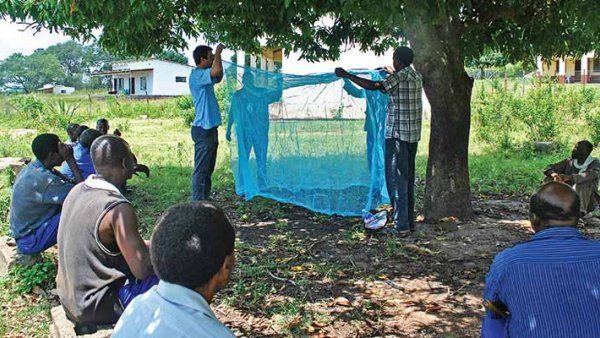
A few of the many UCSF projects underway across the globe.
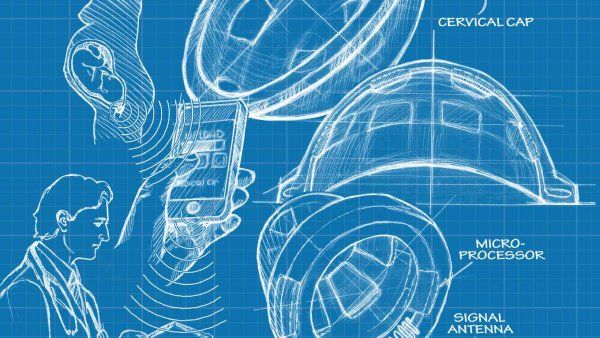
Five UCSF scientists – bioengineers Tejal Desai and Shuvo Roy, MD/PhD candidate Mozziyar Etemadi, microbiologist Joe DeRisi, and physician/surgeon Michael Harrison – trace their path toward five inventions that are changing the face of medicine.