Probiotics: Health Hack or Hype?
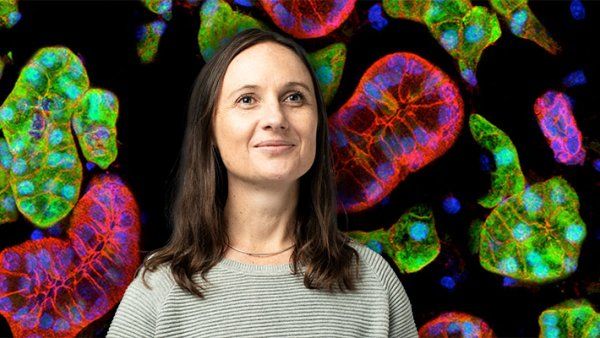
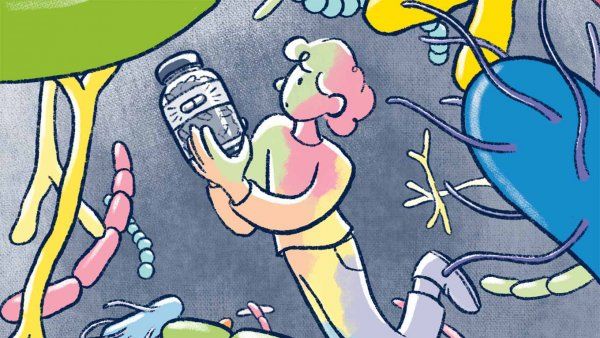
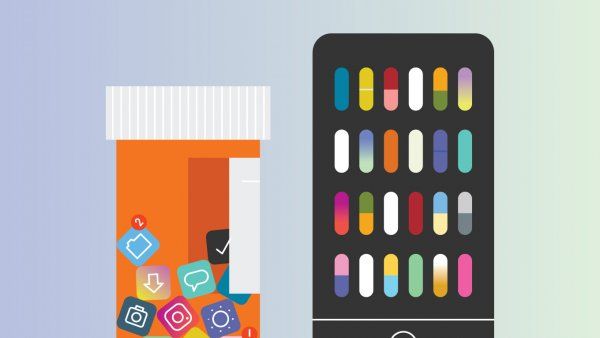
We turned to UCSF scientists to better understand probiotics and the human microbiome they aim to influence.
University of California San Francisco
Give to UCSFWe turned to UCSF scientists to better understand probiotics and the human microbiome they aim to influence.
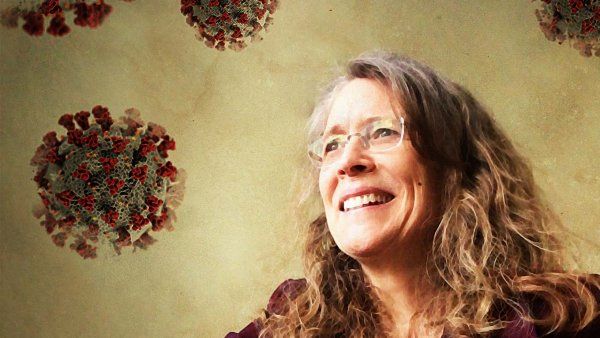
Susan Acton discovered ACE2 while searching for new cardiovascular drugs. Decades later, she was surprised to see it popping up in the news once COVID took hold.
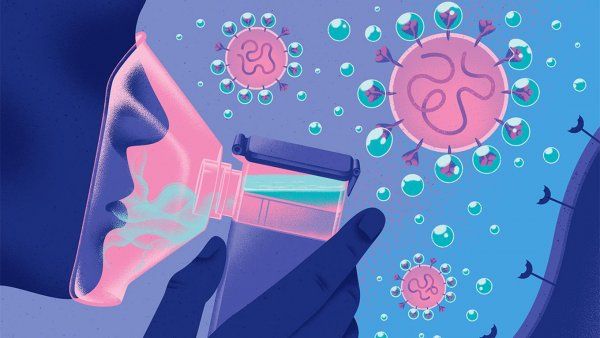
A UCSF team has engineered a tiny antibody capable of neutralizing the coronavirus.
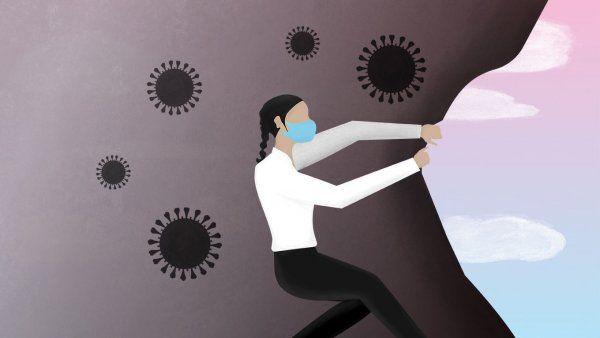
Few would have predicted last January that a pandemic would upend our daily lives. But one grueling year in, UCSF experts have a clearer view of the path ahead.
A UCSF pediatrician who is researching methods to control the spread of coronavirus shares why she’s optimistic that schools can reopen safely.
We asked several UCSF experts for a personal take on what will convince them that a vaccine is safe.
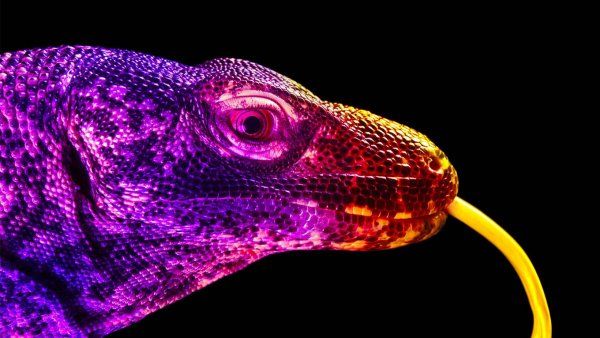
Giant lizards with superpowered hearts. Hairless rodents that don’t seem to age. Songbirds that babble like human babies. These and other scurrying, soaring, and slithering wonders are teaching scientists how our own bodies work – and how to fix them.
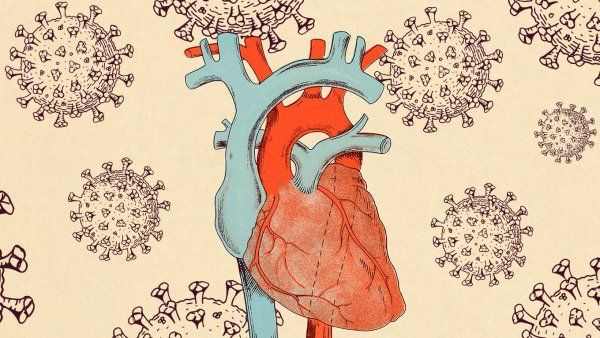
Cardiologist Nisha Parikh, MD, MPH, discusses what we know so far about COVID-19’s impact on the body’s cardiovascular system, from affecting the heart’s rhythm to impairing its ability to pump blood throughout the body.
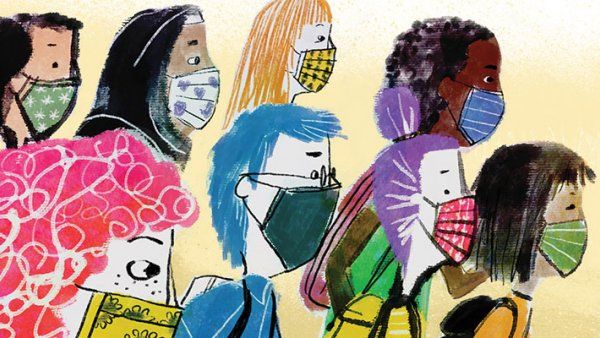
Infectious diseases expert Monica Gandhi, MD, MPH, explores her hypothesis that one of the benefits of masks may be that they provide exposure to enough coronavirus to build immunity but not enough to cause illness.
When future historians look back on this moment, they will draw many conclusions from our response to this crisis. Here are five big lessons that UCSF experts already see taking shape.
Joel Ernst, MD, addresses key questions about how vaccine development works and why vaccines are especially important in the case of COVID-19.
Clinical trial leader Annie Luetkemeyer, MD, tests promising therapies for COVID-19 – and soon a vaccine.
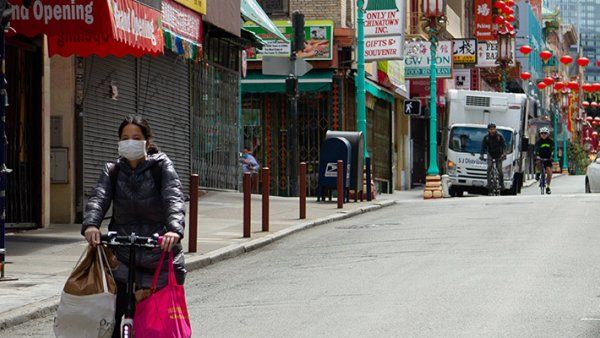
The pandemic has led to a sudden rise in discrimination against people of Asian descent.
How I learned to use social media to advance the public’s understanding of COVID-19.
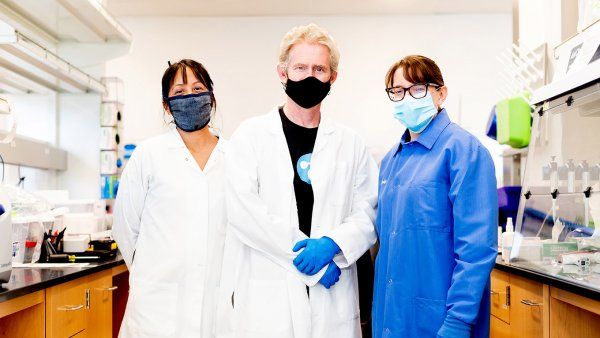
As the United States’ testing regime floundered early in the pandemic, scientists at UCSF and the Chan Zuckerberg Biohub created from scratch a diagnostic lab that became a model for the nation.
UCSF researchers are taking a closer look at COVID-19’s dizzying array of symptoms to get at the disease’s root causes.
A look at past outbreaks offers guidance on bringing the current one to an end – and on thwarting the next one.
Why are more men than women dying of COVID-19? Scientist Faranak Fattahi, PhD, has found a clue.
Communities of color have been hit hardest by COVID-19. Meanwhile, hundreds of thousands of people have taken to the streets in an outcry against police brutality. Both issues have roots in the same problem.
How will the gene-editing tool CRISPR change our relationship with nature? Will it affect human evolution? This documentary explores these questions through interviews with the pioneering scientists who discovered CRISPR, the families whose lives are altered by this new technology, and the bioengineers who are testing it. UCSF alumna Sarah Goodwin, who earned her PhD in cell biology, is the leading science adviser on the film, as well as a producer.
Scientists at UCSF are exploring how we can improve our bodies – now and in the future – with science that sounds like sci-fi.
With the global population of seniors projected to reach 1.5 billion by 2050, it will be more important than ever to reduce the burden of age-related disease. In the future, science will allow us to intervene in the aging process to make this a reality, according to geriatrician John Newman.
Scientists have documented the influence of information overload on attention, perception, memory, decision-making, and emotional regulation. But the same technologies contributing to the cognition crisis could help solve it, argues neuroscientist Adam Gazzaley.
Advances in medicine and public health have dramatically extended the lifespan of hearts, lungs, and other vital organs. But for women, the ovaries remain a stubborn exception. That may soon change, says fertility expert Marcelle Cedars.
Basic scientist Zena Werb, who has studied cancer cells in UCSF labs for more than four decades, shares her take on the future of cancer medicine.
A future in which precision medicine benefits everyone is not guaranteed. For that to happen, UCSF experts argue, the health care industry must first tackle today’s health disparities, including differences in disease outcomes and access to care based on race, gender, and socioeconomic status.
With the rise of “direct-to-consumer” DNA tests, investigating your genes is easier than ever. But taking one of these tests may not be right for you, says UCSF professor Kathryn Phillips, PhD, who studies new health care technologies.
Healthy eating can be difficult to do, especially when the science isn’t clear. Our experts have weighed in to give you the best advice based on solid research, allowing you to make better choices when it comes to your nutrition.
UCSF oncologist Pamela Munster, MD, has advised thousands of women on how to deal with the life-altering diagnosis of breast cancer. But when she got a call saying that her own mammogram showed irregularities, she found herself experiencing a whole new side of the disease. Munster’s book weaves together her personal story with her team’s research on the BRCA gene, which is responsible for breast cancer and many other inherited cancers.
Have you ever wondered what’s going on in a musician’s head while they improvise? In this episode, Charles Limb, MD, a UCSF surgeon and neuroscientist, explores the process of creativity by scanning the brains of jazz musicians and rappers as they improvise. Tune in to learn what brain processes allow creative thought and why creativity matters.