For years, scientists have studied how the brain controls movement by asking patients to perform structured tasks while connected to multiple sensors in a lab. While these studies have provided
In the wake of a recent outbreak of tuberculosis (TB) and latent TB cases at a local San Francisco high school, IGHS's Priya Shete tells us what to know about latent TB.
A Q&A with the executive director of the UCSF Institute for Global Health Sciences, Payam Nahid, that checks in on the state of global health in the wake of USAID and other cuts.
A UCSF study found that a "collaborative care" model for dementia patients improved quality of life, reduced costs, alleviated caregiver burden, and extended the time that patients remained in the community before entering a nursing facility, as compared to standard medication therapy.
A study from UCSF shows a previously unknown connection between the Epstein-Barr virus, known to play a role in MS, and an understudied type of immune cell.
Daniele Canzio, PhD, of the Department of Neurology and Balyn Zaro, PhD, of the Department of Pharmaceutical Chemistry have been selected as the next Bowes Biomedical Investigators.
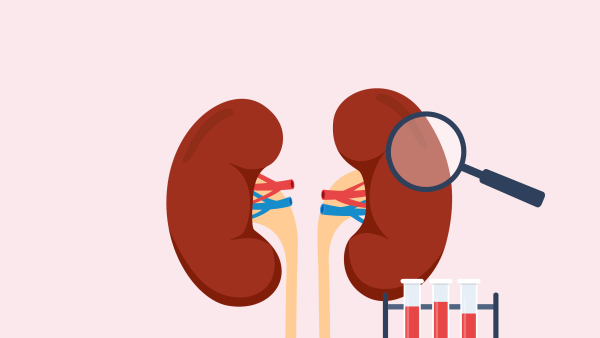
A new study offers hope that kidney transplant patients could one day have a monthly treatment instead of multiple pills every day. The new treatment also may reduce side effects and increase the lifespan of the donor organ.
This Q&A with George Sawaya, MD, explores new cervical cancer screening guidelines issued in January 2026, which recommend at-home HPV testing. A recent study found most U.S. women ages 21–49 are open to home HPV screening—an approach that could reduce barriers like embarrassment and anxiety around pelvic exams while improving early cervical cancer detection.
Media Coverage
Healing Medicine: Mindfulness, Mindset, and Physician Well-Being
Healing others is demanding work, and this podcast offers a refreshing break. Co-hosted by Jessie Mahoney, MD ’97, a physician and mindfulness teacher, the series explores practical tools to reduce stress, build resilience, and bring more ease into clinical practice. Although designed for health professionals, it may resonate with anyone seeking to navigate life with greater clarity and calm.
Enrollment day for community college was supposed to mark a new beginning. Instead, Andrew woke with a searing headache. Soon, a massive brain bleed from a rare blood-vessel abnormality caused a major stroke. Airlifted to UCSF Benioff Children’s Hospital, he underwent lifesaving surgery and began the long, difficult work of relearning how to walk and talk. This short video captures Andrew’s strength and the expert care that helped him reclaim his life.
Media Coverage
Eggonomics: The Global Market in Human Eggs and the Donors Who Supply Them
This incisive look at the fast-growing egg-donation industry follows donors whose bodies help create families yet often go unseen. Through international fieldwork, author Diane Tober, PhD — a UCSF-affiliated medical anthropologist — reveals how hope, profit, and uneven care collide in a system where reproductive technology can turn human eggs, and their providers, into commodities.
Jian Zhang, MSN ’92, DNP, has spent her career strengthening culturally responsive care in San Francisco’s Chinatown. “I felt like I could impact the Chinese community most there,” says Zhang, the 2025 UCSF Nursing Alumni Association Jane Norbeck Distinguished Service Award winner.
The mouth is a powerful lens on overall health and disease. Researchers are uncovering its wide-ranging roles — from early cancer detection to its microbiome’s surprising influence on immunity and pregnancy.
UCSF’s Robert Wachter, MD, a leading voice on the impact of technology on medicine, explores what generative Al can — and can't yet — do for patient care.
UCSF engineers are growing tiny, organ-like structures from human cells. The technology could change how we
test new drugs — and how we heal our bodies.
Johannes R. Kratz, MD, has been named as the inaugural chief of UCSF’s Division of Thoracic Surgery, one of the leading academic robotic thoracic surgery programs in the western U.S. He brings a track
Researchers found a "garbage man" enzyme that tags toxic clumps of proteins in the brain for removal, and saw a correlation with resilience against dementia.
Discover how UCSF is leading the charge in Long COVID research, uncovering key findings that advance our understanding of the condition. UCSF researchers have adapted innovative tools and methodologies—originally developed during the AIDS/HIV epidemic, such as testing, tissue banking, clinical trials, and studies—to tackle the complexities of Long COVID.