UCSF, DHCS Partner on $17M Investment in Behavioral Health Support
A UCSF-developed program that integrates behavioral health support for children and caregivers into routine pediatric care is poised to expand across California.

University of California San Francisco
Give to UCSF
A UCSF-developed program that integrates behavioral health support for children and caregivers into routine pediatric care is poised to expand across California.
Hosted by UCSF physicians Alex Smith, MD ’02, MS, MPH, and Eric Widera, MD ’02, GeriPal explores aging and serious illness through frank conversations with clinicians, researchers, and patients. It’s thoughtful, occasionally funny, and focused on helping people live well, even in life’s hardest circumstances.
In this provocative book, UCSF resident alum and epidemiologist Gary Slutkin, MD, draws on his decades of work combating tuberculosis, cholera, and HIV at the World Health Organization to reframe violence as a contagious disease. He offers a blueprint for prevention grounded in interruption, community intervention, and shifting social norms.
Akinyemi Oni-Orisan, PharmD, PhD, is using genetics to help end the guesswork in prescribing.

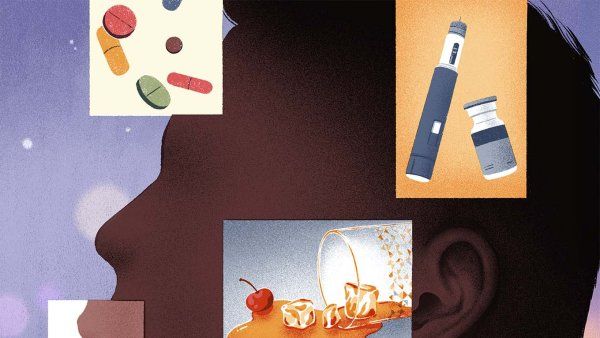
GLP-1 drugs are known for weight loss. UCSF researchers are testing whether they also dial down alcohol and opioid cravings.
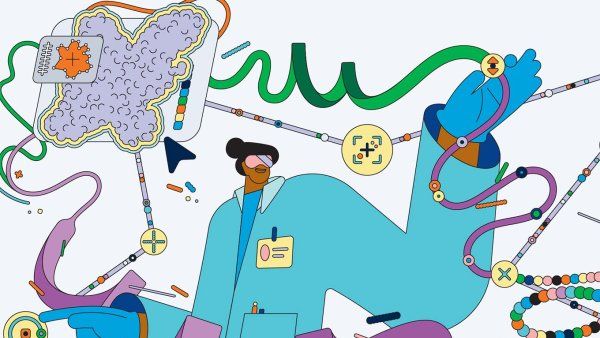
“Humans can't design proteins.” That’s what one scientist was told. Decades later, UCSF labs are doing exactly that — with AI.
A UCSF-developed program that integrates behavioral health support for children and caregivers into routine pediatric care is poised to extend across California with a $17 million investment from the
Jason Nagata, MD, MSc, discusses the health dangers of excessive social media use on the health of children, in response to an August 2026 announcement of a $17.1 billion settlement regarding children and teen addiction to their platform.

Forever chemicals are in our water and our blood. Now, UCSF researchers are understanding what happens when they reach our placentas and what that means for pregnancies, mothers and their babies.

An NIH-funded survey by UCSF researchers found that despite the fact that digital health will continue to be core in health delivery, less than half of surveyed health systems are checking for barriers to using patient portals, telemedicine, and other digital health tools.

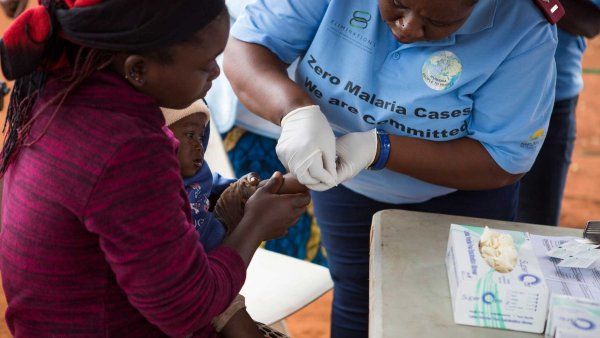
A Q&A with the executive director of the UCSF Institute for Global Health Sciences, Payam Nahid, that checks in on the state of global health in the wake of USAID and other cuts.
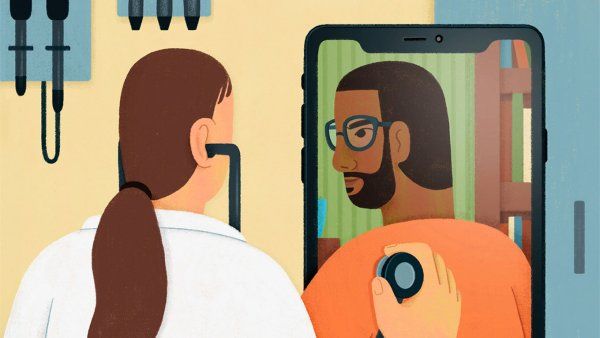
From preparation to privacy, UCSF experts explain how to get safe, stress-free virtual care.
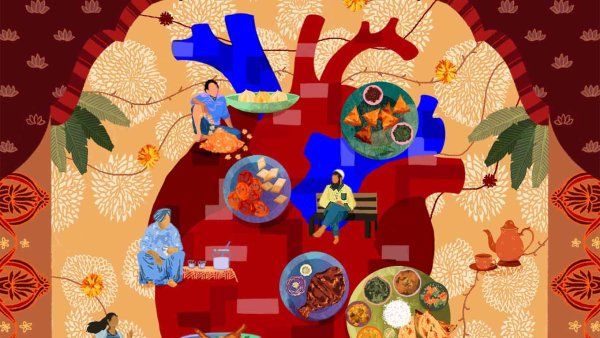
A UCSF study is revealing why South Asians develop heart disease even at healthy weights. It’s also changing how doctors screen for it.
New UCSF research reveals that Child-Parent Psychotherapy repairs a biological process that could benefit kids for life.

UCSF engineers are growing tiny, organ-like structures from human cells. The technology could change how we test new drugs — and how we heal our bodies.

UCSF psychiatrists may have documented what is likely the first case of AI psychosis in a peer-reviewed journal. He tells us what to know as media reports about cases mount.

Hematologists and oncologists from UC San Francisco shared research results and clinical guidance at the world’s premier meeting for malignant and non-malignant hematology at the American Society of
Aortic stenosis is a narrowing of the aortic valve which connects the heart to the rest of the body. It affects millions of people and can be fatal if left untreated. At present, there are no
Nurse scientist Linda Park, PhD, uses NIH funding to study cardiac rehab and digital tools—like pedometers and apps—to motivate post-surgery patients and prevent health decline.

UCSF researchers are studying whether large language models, a type of artificial intelligence (AI), can analyze the clinical notes of multiple physicians and other care providers to improve the diagnosis of complex liver conditions like hepatorenal syndrome (HRS).

Vikram Rao, director of the UCSF Epilepsy Center, discusses why a third of seizure patients don’t respond to medication and the promising new surgical and technological treatments available.

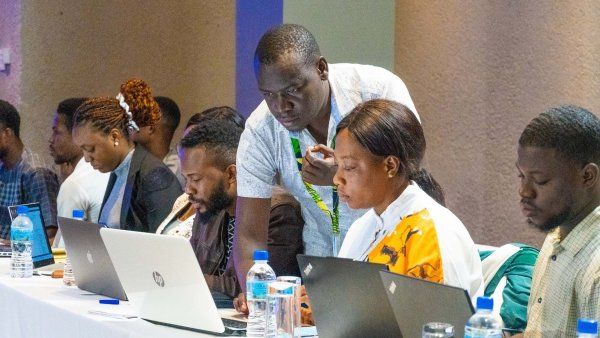
UC San Francisco’s Paul Farmer African Initiative for Research (PFAIR) supports African scientists in infectious disease research via mentorship, international collaboration, and sustainable funding.
Endocrine disruption during pregnancy and genetic drivers of bone disease were among the topics experts from UC San Francisco presented at the annual meeting of the Endocrine Society — ENDO 2025 — in
For patients with Parkinson's disease, changes in their ability to walk can be dramatic. “Parkinson’s gait,” as it is often called, can include changes in step length and asymmetry between legs. This
Curious about the future of health care? This UCSF Rosenman Institute podcast explores big ideas like at-home tests for early cancer detection and the next wave of weight loss treatments. Hear insights from the front-line innovators and entrepreneurs tackling health’s biggest challenges.
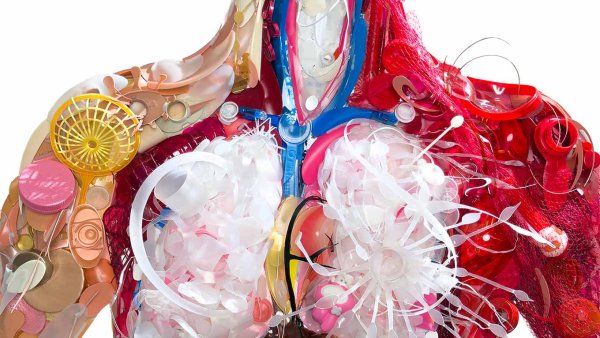
Microplastics have infiltrated our bodies. What does that mean for our health?
Leading cancer researchers from UC San Francisco presented talks about advances in targeted therapies, cancer genomics, using AI to personalize cancer treatment, improving diagnosis of hard-to-treat